Light That Makes Small Rooms Breathe

Step into a world where illumination quietly rearranges your walls, smooths corners, and adds a whisper of volume without changing a single centimeter. We dive into Luxury Lighting Techniques that Expand Perception in Small Interiors, translating refined design thinking into doable steps, mindful choices, and little rituals that elevate everyday life. Expect real-life stories, measurements that matter, and inviting prompts. Share photos of your space, ask questions, and join our community conversation as we shape brightness, shadow, and sparkle together.

Layered Illumination that Builds Invisible Space

Brightness Hierarchies and Focal Anchors

Contrast that Invites the Eye Forward

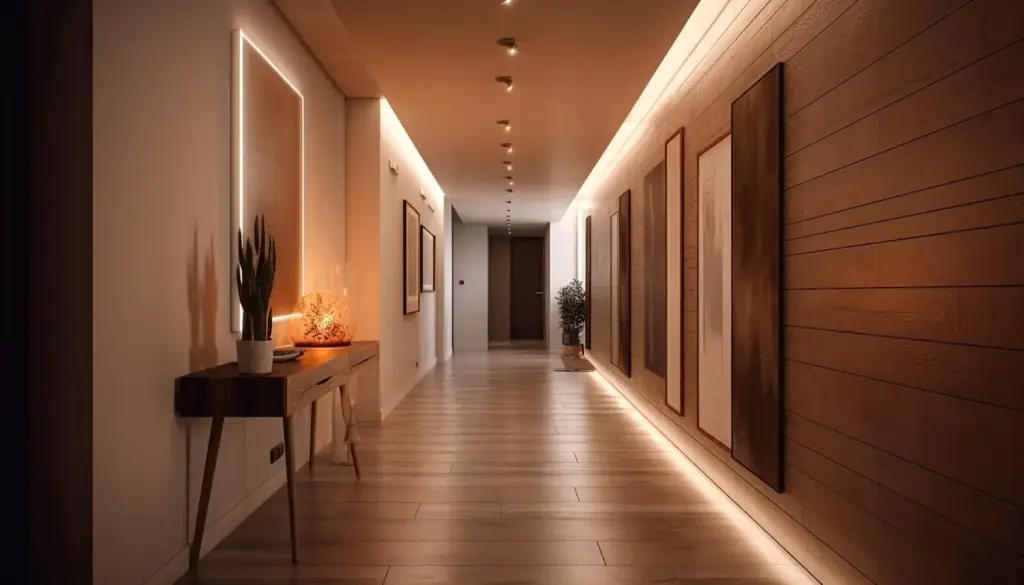
A small interior benefits from gentle contrast that shapes depth without creating harsh silhouettes. Keep general illumination comfortable, then raise select accents by twenty to thirty percent to articulate art, plants, or textured niches. That small lift pulls the gaze deeper, expanding perceived length. Avoid over-lighting everything; restraint is luxurious. Calibrate with a light meter if possible, or trust your senses by dimming until edges soften and the view flows naturally.

A Luminous Focal Anchor Replaces Clutter

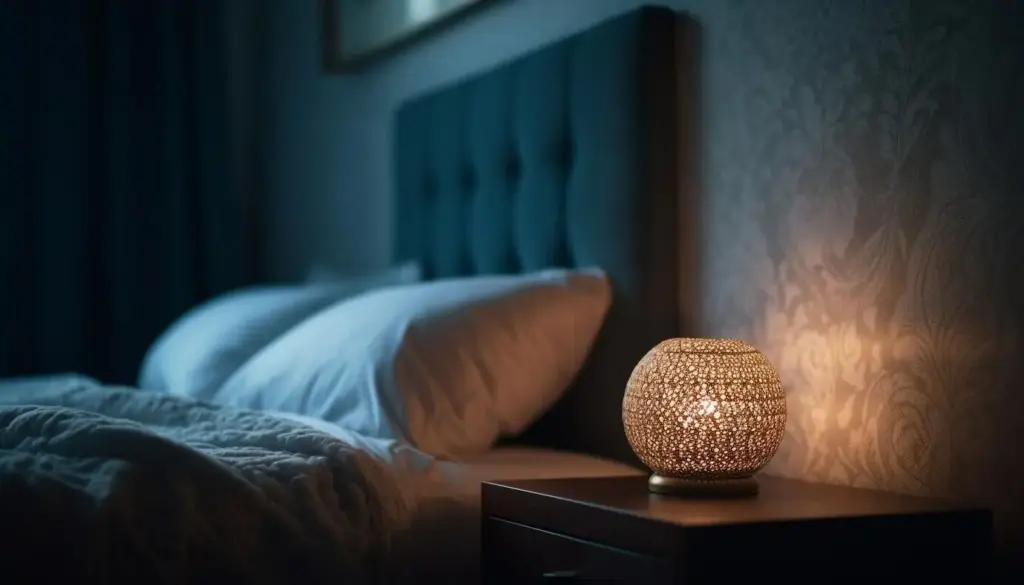
Instead of many competing objects, choose one luminous anchor: a pendant that glows from within, a lit shelf with curated pieces, or a sculptural sconce that paints the wall. This single destination quiets the scene and gives purpose to surrounding light. As attention stabilizes, the room feels larger because the mind stops hunting for meaning. Edit ruthless ornament, and let a considered highlight write the story with confidence and grace.

Balancing Sparkle and Softness

Sparkle is a spice, not a meal. Faceted glass, micro-prisms, or a discreet crystal drop can add delightful scintillation that suggests luxury, yet it must nest in a soft luminous field. Pair gentle vertical brightness with small points of brilliance, maintaining comfort by shielding sources and dimming generously. The interplay creates texture, like jewelry over fine knitwear, giving depth and refinement without demanding attention or crowding the senses in a tight plan.

Materials, Mirrors, and Optical Boosts

Color Temperature, Rendering, and Mood
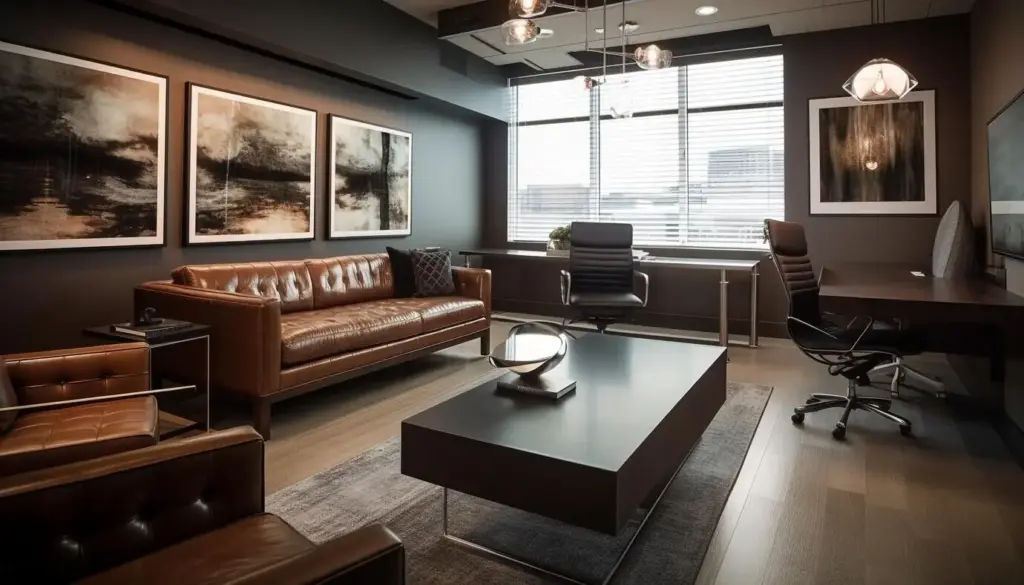
Color quality determines whether finishes feel authentic and appetizing or flat and dull. For intimate spaces, 2700–3000K often reads warm but refined; high CRI or TM‑30 fidelity preserves woods, textiles, and artworks. A small room benefits from tuneable scenes that shift from clear morning focus to amber evening calm. Controlled variety across layers—slightly warmer accents, neutral vertical fill—adds nuance and breadth, like a well-orchestrated soundtrack supporting many moods without crowding the senses.

Scenes Mapped to Routines, Not Switches

Design four to six scenes that mirror your day: Wake, Focus, Host, Unwind, Nightlight, and All Off. Each combines ambient, task, and accent levels with deliberate color temperature. Keep labeling intuitive and lighting transitions slow. The point is to reduce decision fatigue so the space always feels right without fussing with individual circuits. In a small interior, this clarity adds dignity and a sense of control, expanding comfort effortlessly.

Dimming Curves that Caress the Eye

Not all dimming feels equal. Choose systems with smooth low-end performance so light can fall to candlelike levels without stepping or flicker. Match drivers to sources, and test scenes in darkness to catch artifacts. When dimming behaves like silk rather than stairs, evenings lengthen, glare disappears, and the mind perceives more space. The softness between levels reads luxurious, turning transitions into experiences rather than mechanical shifts in brightness.

Tiny Sensors, Big Comfort

Discreet occupancy and ambient-light sensors remove awkward dark moments while avoiding waste. Place them where they read movement naturally—entry, corridor turns, under-cabinet zones—then pair with gentle delays and very low night paths. In small homes, these micro-interventions reduce cognitive load and keep hands free. The result feels gracious and quietly premium, like a host anticipating needs, reinforcing the impression of effortless spaciousness through care rather than conspicuous technology.

Smart Control that Feels Human

Luxury is less about gadgets and more about how seamlessly light supports life. Thoughtful controls simplify choices: a few clear scenes, generous dimming range, and sensors that respect privacy and timing. Map buttons to experiences rather than zones, avoid tapping marathons, and let automation fade scenes softly. The result is ease, consistency, and subtle drama on demand, turning a compact plan into a responsive companion that listens and adapts.

Stories from Tiny Spaces

Lessons land deeper with lived experience. These vignettes show how a few precise moves changed scale, mood, and daily rituals. Notice how every choice—beam angle, finish, color temperature, control scene—pulls together into a generous, coherent composition. Each story ends with a simple takeaway you can test tonight. Share your results or questions in the comments, and subscribe if you want more case-led guidance tailored to real-world constraints and ambitions.
Renenileninifukumera
Privacy Overview

This website uses cookies so that we can provide you with the best user experience possible. Cookie information is stored in your browser and performs functions such as recognising you when you return to our website and helping our team to understand which sections of the website you find most interesting and useful.